Manor Lords makes city-building feel like consequence
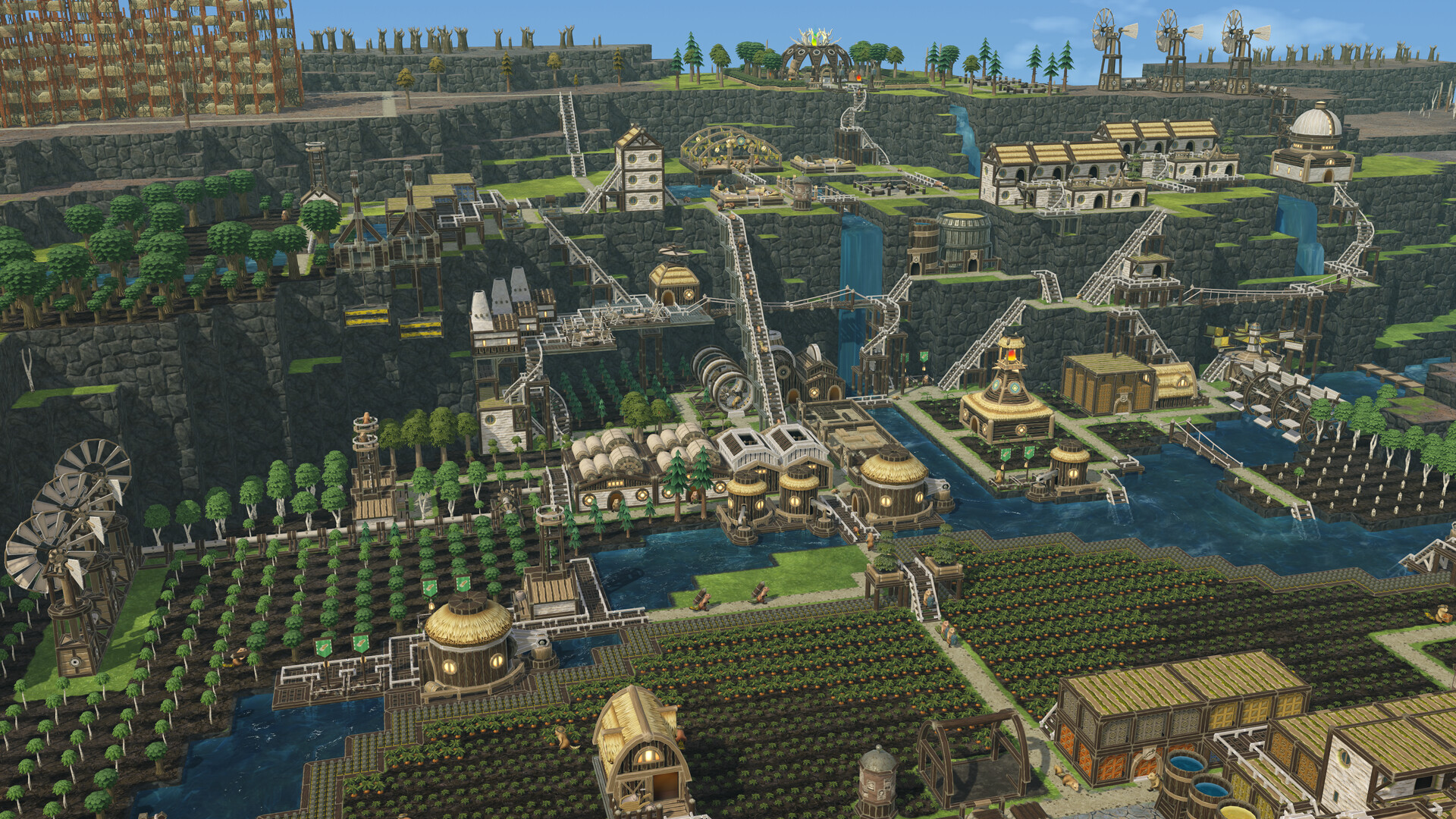
Most city builders give you the fantasy first. You drop roads, place buildings, watch numbers climb, and feel like a competent administrator inside of twenty minutes. Manor Lords, developed solo by Greg Styczeń under the Slavic Magic banner, does the opposite. It hands you a frozen field in medieval Franconia, a handful of families, and a wool surplus you probably won't manage correctly, then waits to see what you do with it. The first forty minutes feel genuinely serene. Then December arrives, someone's granary is empty, and you realize your burgage plots were feeding artisans instead of farmers. That cycle — beauty, then consequence — is basically the whole game, and it's more compelling than it sounds.
Early Access launched in April 2024, and within days it had sold over a million copies, which is a remarkable number for a genre that usually attracts a dedicated but modest audience. The attention brought scrutiny, and some of the subsequent discourse has been uncharitable in ways that feel like misreading the game's actual design intent. Manor Lords isn't broken; it's incomplete, and those are different problems. What's already here is worth examining on its own terms before Styczeń ships the next major update.
The Burgage Plot Is a Small Stroke of Genius
The central unit of the game isn't a road tile or a zone — it's the burgage plot, a rectangular parcel of land you draw manually around each house. Size the backyard generously and residents can keep chickens, grow vegetables, or run a small workshop. Squeeze the plots together and you get a denser, more visually coherent town center, but your families grow hungrier faster. That tension between aesthetic ambition and practical function is baked directly into the core mechanic, which is a clever way to make urban planning feel personal rather than optimized.
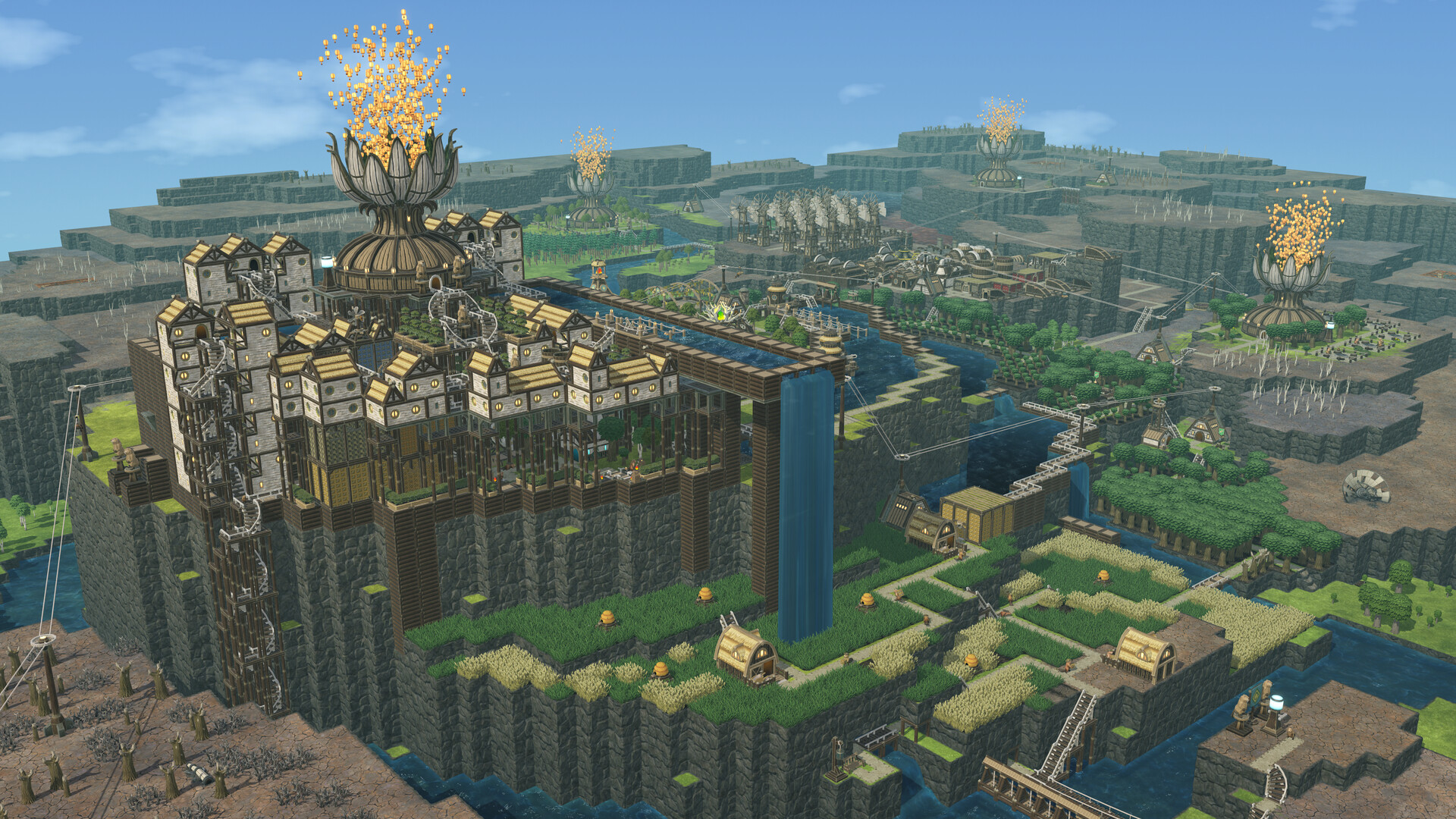 Atmospheric detail in Manor Lords.
Older city builders like Caesar III handled density through zoning tiers and proximity bonuses — a mostly invisible process. Manor Lords makes the same tradeoffs physical and immediate. You can look at a street and see exactly why it's failing. A plot with no backyard extension is a plot producing nothing passive. That legibility makes debugging your town less frustrating than in, say, Anno 1800, where a supply chain problem can hide behind three layers of trade routes before you find it.
The manual road-drawing is slower than what comparable games offer, and some players bounced off it early. Reasonable position. But the roads you draw actually shape the visual identity of your settlement in ways procedural snapping rarely achieves. A slightly crooked market street that follows a ridge line looks like a place that grew organically. That's not a cosmetic bonus — it feeds back into how invested you feel when winter threatens to erase all of it.
Supply Chains That Actually Demand Attention
The resource loop is more demanding than the early-game pastoral vibe suggests. Grain needs to be harvested, stored, moved to a granary, then either milled into flour or consumed directly, and then flour needs to reach a bakery before it becomes bread your people will actually eat for full satisfaction. Each step requires assigned workers, and workers pulled to one building are workers not staffing another. The system doesn't explain this chain especially well — the tutorial covers the basics but leaves several mid-chain dependencies undocumented — and a significant number of first-hour losses come from simply not knowing that unroasted malt is not the same as ale.
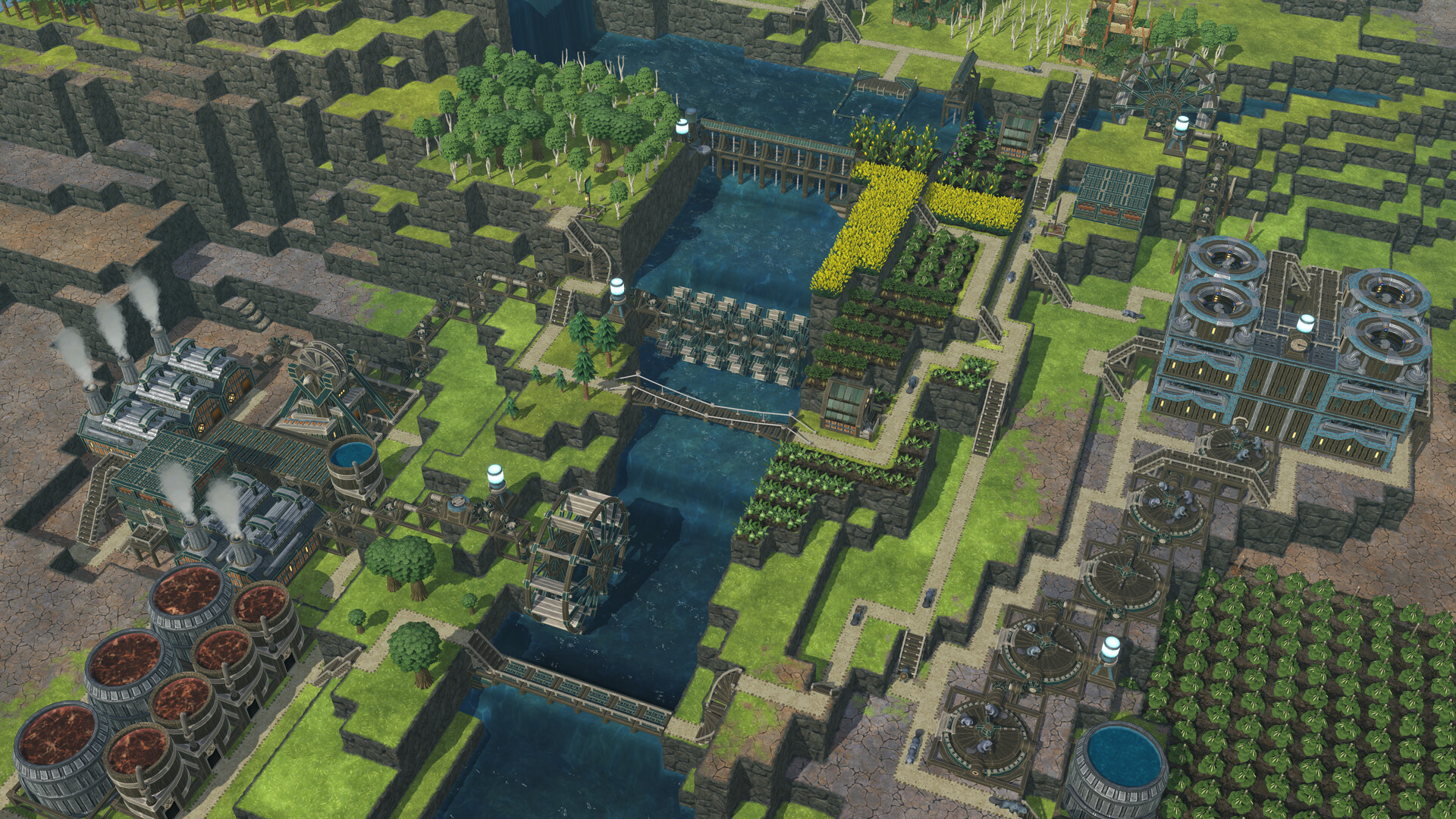 Combat encounter in Manor Lords.
Once you understand the chain, managing it becomes the satisfying grind the game is built around. There's something tactile about watching ox carts move between your logging camp and your timber yard, and then watching planks stack up ahead of an expansion. It borrows the gentle resource-watching pleasure that made early Settlers games feel almost meditative. What it hasn't solved yet is late-game scaling. Once you have three or four resource loops running simultaneously, the assignment system gets unwieldy fast. Switching workers between roles manually, building by building, stops feeling like strategy and starts feeling like administration.
The Combat Is a Rough Draft
The regional map and military layer are where Manor Lords most visibly shows its Early Access seams. Territorial expansion requires fielding retinue troops and conscripted militia, and battles play out in real time on the terrain you've been building around. Watching a line of spearmen hold a ridge while archers work from the tree line sounds exciting, and the first time it works it genuinely is. The problem is that unit behavior is inconsistent enough that you can't fully trust your own tactical reads. Flanking sometimes works as intended; sometimes your cavalry clips through a formation and resets in a puzzling location.
The AI lord behavior on the regional map is thin. Rivals expand predictably, rarely making moves that feel like they're responding to your specific situation. For a game where territorial pressure is supposed to keep you from turtling indefinitely, the threat level is low enough that many players simply avoid conflict until they feel ready, which removes the genre's core tension of building under duress. Styczeń has acknowledged the combat needs work, and it shows. The bones of something interesting are there — morale degradation, the cost of conscription on your labor pool — but it doesn't cohere yet.
What the Visuals Actually Do for the Game
It would be easy to call Manor Lords pretty and move on, but the visual design is doing real mechanical work. Buildings change appearance based on their upgrade tier, so a Level 3 burgage plot with a tannery extension looks visually distinct from a Level 1 starter home. The seasons shift the palette in ways that make winter feel genuinely hostile rather than decorative — the mud, the stripped trees, the grey sky. When you lose villagers in February it doesn't feel like a stat update; it feels like you failed actual people in an actual place.
The church spire you eventually unlock casts a long shadow over the market square, and for no mechanical reason whatsoever, I kept orienting my roads toward it. That's the kind of environmental gravity that games like Cities: Skylines eventually patched in through asset packs, but here it emerges from the terrain tools and building scale working together from the start. Whether that detail matters to you probably determines whether Manor Lords will click at all.
The Honest Question of Who This Is For Right Now
Manor Lords is not in a state where you'd press it on someone who wants a complete, balanced campaign experience. The save system has had stability issues. Certain approval mechanics feel like placeholders — the church approval loop, specifically, gives almost no feedback on why approval is drifting. And the promised features list in Styczeń's public roadmap includes deeper trade mechanics, more map variety, and expanded diplomacy, none of which are meaningfully present yet.
What it offers right now is a building sandbox with more personality than most finished competitors, a resource system that rewards attention without punishing curiosity, and enough original thinking in the burgage plot mechanic to justify the price of a few cups of coffee. Players who bounced off the genre's usual abstraction — who found Anno's economic graphs cold, or Tropico's systems too satirically detached — might find that Manor Lords' tactile, grounded approach is exactly the foothold they needed.
Where It Sits
The Early Access qualifier is doing a lot of protective work here, and it's fair to hold that against a clean recommendation. But Styczeń's design instincts are unusually sound for a solo developer working in a genre dominated by teams twice the size. The burgage plot system alone shows more creative thought than the entire feature set of several fully released competitors. The combat needs a real rebuild. The AI needs ambition. The mid-game scaling problem will frustrate experienced players well before those fixes arrive.
None of that diminishes what it already is: a game that makes you care about a specific strip of dirt in a fictional valley, enough that when the snow thaws in March and your granary still has six months of rye, you feel something close to actual relief. That emotional hook — built through systems, not cutscenes — is the hardest thing to fake in this genre. Manor Lords doesn't fake it.
Editorial scoring
Reader Q&A
How long does it take to finish Manor Lords makes city-building feel like consequence?
Main story runs around 120 hours depending on how thoroughly you explore. Completionists can spend 2-3× that.
Is Manor Lords makes city-building feel like consequence good for newcomers to City-Builder?
Yes — Manor Lords makes city-building feel like consequence is a great entry point. The early hours teach the systems gradually and the difficulty curve is reasonable.
Which platform should I play Manor Lords makes city-building feel like consequence on?
Steam Deck handles this title well — verified compatibility on most recent patches.
Was Manor Lords makes city-building feel like consequence worth the launch-day price?
Released in 2024, and as of writing it holds up. Wait for a sale if you're price-sensitive — major discounts arrive within 6 months.
Are there DLCs or expansions worth picking up?
The base game is complete; expansion DLC adds 10-15 hours of additional content if you want more.
What did Slavic Magic get right (and what could be better)?
Slavic Magic nailed the moment-to-moment loop and the world-building. Pacing in the mid-game and inventory UX have room for improvement.
Reader comments