San Francisco is a playground — hack it like you own it
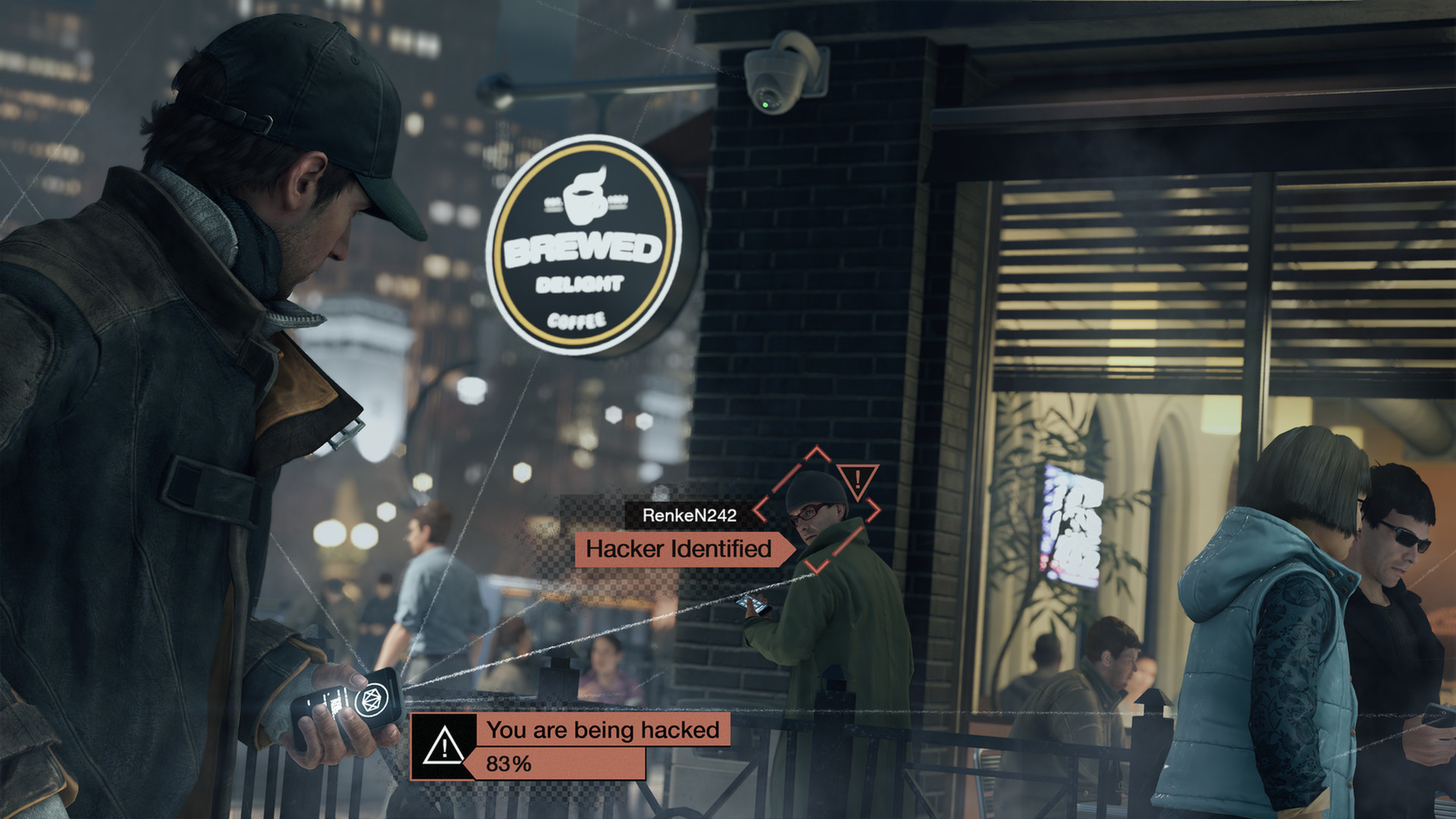
Watch Dogs 2 drops you into a version of San Francisco that is, by open-world standards, genuinely strange. It's not trying to be Los Santos. It's not a power fantasy. The city is dense, cluttered with overlapping systems, and designed around the idea that you should feel like a clever outsider rather than an unstoppable force. That's either deeply appealing or quietly frustrating depending on your tolerance for games that want you to work a little. If you're new, or if you've been bouncing off mid-game content and can't figure out why, this guide skips the obvious and focuses on what the game actually rewards.
A note before we get into it: Watch Dogs 2 is one of those games where the skill tree looks manageable and then quietly expands into something that punishes early misallocation. Ubisoft never patched in a respec option, which means your first twenty hours of crafting upgrades matter more than the game implies. Keep that in mind as you read.
Understand how the city is actually structured
San Francisco in Watch Dogs 2 is divided into distinct districts — SoMa, Oakland, Marin, Silicon Valley, and a few others — and each one has a different density of activities, enemy patrol patterns, and hacking opportunities. Most new players treat it as a single flat space and fast-travel everywhere. That's a mistake. The game's ambient hacking income (followers, research data, money) scales heavily with how often you're moving through the world on foot or on a bike, triggering environmental interactions. Fast travel is efficient; it's also how you miss most of the city's texture.
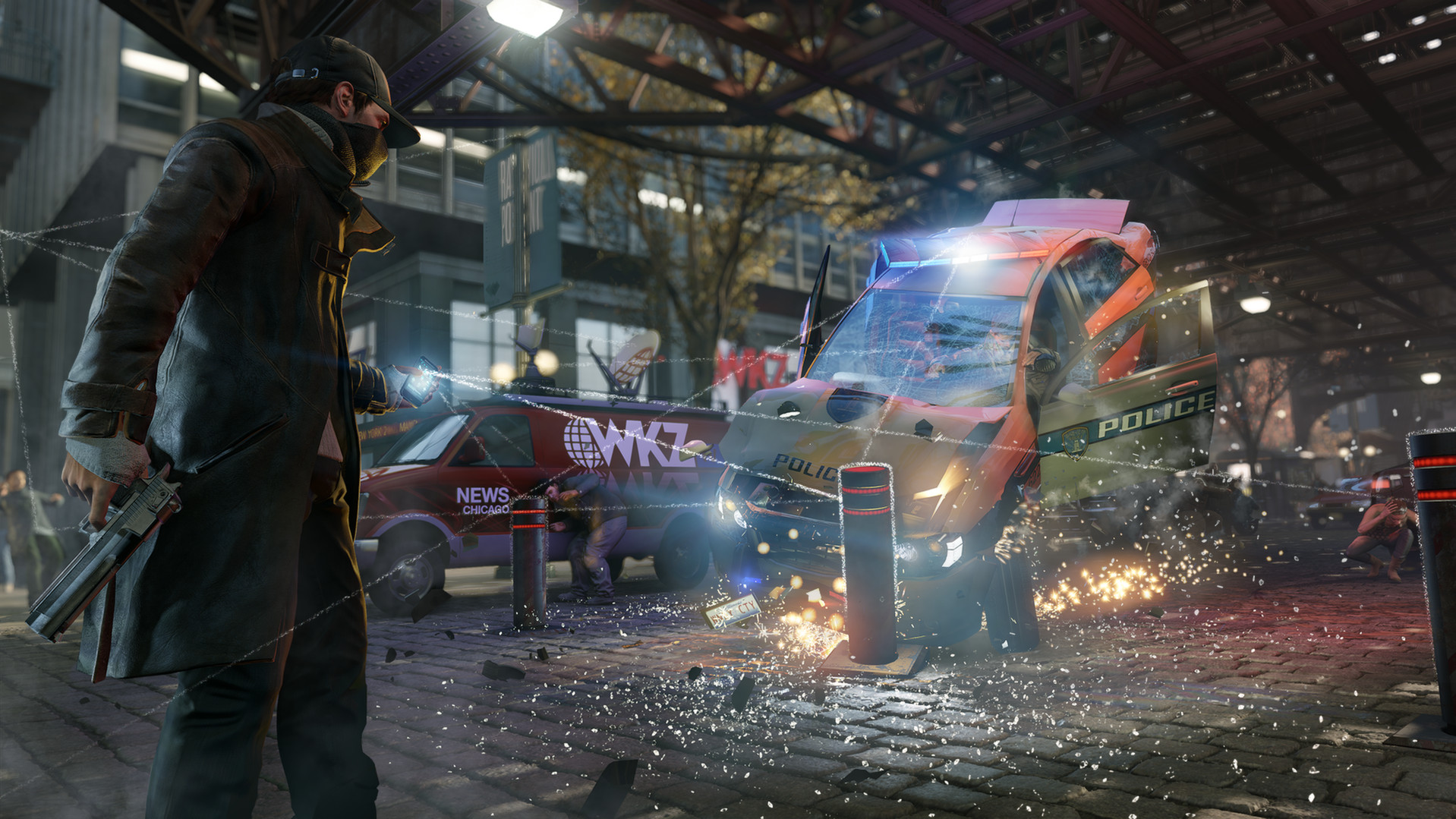 Scene from Watch_Dogs 2.
Oakland, specifically, is worth spending time in early. The enemy faction presence there — primarily Bratva and gang activity — is lower than SoMa, the patrol density is thinner, and it's a good place to practice drone and RC Jumper routing without constant interruption. Silicon Valley, by contrast, is where Blume and Dedsecc's corporate targets concentrate. Save that area for when your hacking tools are upgraded and you're comfortable with multi-stage infiltrations. The game doesn't sequence this for you the way a linear RPG would. You have to read the map.
Build your skill tree with the end in mind
The research menu is split across three disciplines: Hacking, Stealth, and Aggression. Early players almost always spread points too evenly across all three. Don't. Watch Dogs 2 is built around Marcus's ability to complete missions without being physically present — using the Jumper to access terminal rooms, using the drone to tag enemies and trip environmental hazards. That loop requires heavy early investment in the Hacking branch: specifically, Massive System Crash (stuns all enemies in proximity), Improved Jumper (adds hacking range), and Botnet Savings, which reduces the power cost of your most expensive remote hacks.
Aggression skills are not useless, but they're bait for players who haven't yet committed to a playstyle. The combat in Watch Dogs 2 is functional but noticeably less polished than its stealth equivalent — enemy AI is more forgiving when you're trying to fight your way through a compound than when you're threading a drone through ventilation shafts. If you do want to build toward gunplay, wait until you have the core hacking tools unlocked, then branch out. Trying to do both from the start spreads your research points across upgrades that don't compound each other.
The follower economy and why it actually matters
Followers are Watch Dogs 2's primary progression currency, and the game earns some credit for tying that number to narrative logic — DedSec's whole premise is building public support for a hacktivist movement. In practice, followers unlock new story operations, and hitting follower thresholds is how you pace your access to late-game content. The fastest ways to accumulate them aren't the obvious ones. Story missions give decent chunks, but the real multipliers are App Invasions (successfully hacking another player's game in PvP) and consistently completing Research side missions before the story missions that reference them.
Environmental hacking events — the blue circuit icons scattered across the map — give small individual payouts but add up significantly if you're collecting them during transit rather than ignoring them. There are over 100 of them across the map. The ones in Marin and the northern coastal areas tend to cluster near rooftops and require drone navigation to reach, which makes them lower competition for players who haven't upgraded their drone range yet. Come back to those. The ones in SoMa and the Financial District are mostly ground-level and accessible early.
Infiltration: stop going in through the front door
This sounds obvious. It isn't, because the game consistently designs front entrances that look penetrable and then punishes you three guards deep when you realize you've committed to a firefight you didn't want. Almost every restricted area in Watch Dogs 2 has an alternative entry route accessible via drone or Jumper — a ventilation shaft, a rooftop access point, a security room you can reach remotely and use to unlock internal doors. Before you physically approach any compound, deploy the drone and spend two minutes mapping the space. Tag every guard. Find the camera network. Look for the terminal that controls the area's alarms.
The Jumper is genuinely underused by most players past the tutorial. It's slower than the drone, can't fly over obstacles, and feels like a toy — but it can physically interact with environments in ways the drone can't, including activating switches, picking up objects, and accessing terminals in tight spaces where the drone can't hover. Some mission objectives are faster to complete via Jumper than any other method. A specific example: the Nudle headquarters mission, where internal server rooms are positioned low and behind locked doors. Drone gets you the layout. Jumper gets you the data.
Money, crafting, and what's actually worth printing
The crafting system uses three consumable materials — electronic parts, chemicals, and the rarer hardware components — to produce items ranging from basic lures to IEDs and proximity traps. Early players tend to hoard materials out of anxiety and end up never using the crafting bench. That's the wrong call. Lures are cheap to craft, replenishable, and make stealth infiltrations significantly less stressful by reliably pulling single guards away from their patrol routes. Craft them constantly. Treat them like ammunition.
On the money side: the game's clothing and cosmetic system is extensive, and the in-game store in SoMa will take everything you have if you let it. The only purchases that functionally improve your gameplay are weapons from the 3D printer — specifically the Stun Gun variants, which allow non-lethal takedowns, and the Quadcopter upgrades. Everything else is aesthetic. The Paintball Gun is also worth printing early; it's non-lethal, attracts less police attention than conventional weapons, and pairs well with a stealth-focused build when you need to handle a guard you can't route around.
Managing heat and the city's police response
Watch Dogs 2's wanted system is more forgiving than it looks but more persistent than most players expect. Getting spotted during a stealth mission triggers a police response that follows you across the city — not just to the nearest district boundary. The fastest way to drop a wanted level isn't to outrun the pursuit. It's to break line of sight completely, enter a building or parking structure that lets you switch to on-foot movement, and use NetHack to loop nearby traffic and civilian systems to create visual noise. This works at wanted level two almost every time. Level three requires more distance.
One thing the game doesn't explain clearly: killing civilians or law enforcement escalates your wanted level faster than almost anything else and introduces a separate social media aggro mechanic that temporarily reduces your follower gain rate. Non-lethal is always the better play, not just morally within the fiction but mechanically. This is a game about a hacktivist collective, and the systems push back when you ignore that framing.
San Francisco in Watch Dogs 2 rewards patience and lateral thinking in a way that its predecessor never quite managed — Legion tried to revive the formula with the whole-city-as-protagonist concept and ended up feeling hollow by comparison. The systems here are older and occasionally clunky, but they're built around a coherent idea: that competence, not raw power, is the point. Get the drone upgrades. Learn the city's shape. Stop using the front door. The game opens up significantly once you stop trying to play it like something it isn't.
Reader Q&A
Is this guide spoiler-free?
We avoid story spoilers. Mechanics and systems are explained directly, but plot beats are not covered.
How current is this guide?
Updated for the most recent patch as of June 2026. Major balance changes are noted inline.
Do I need DLC for these strategies to work?
No. Everything covered here applies to the base game. Where DLC content is referenced, we mark it clearly.
Will following this guide work on hardest difficulty?
Mostly — yes. A few strategies become tight on hardest difficulty; we flag those where relevant.
Reader comments