Marcus doesn't shoot first — neither should you
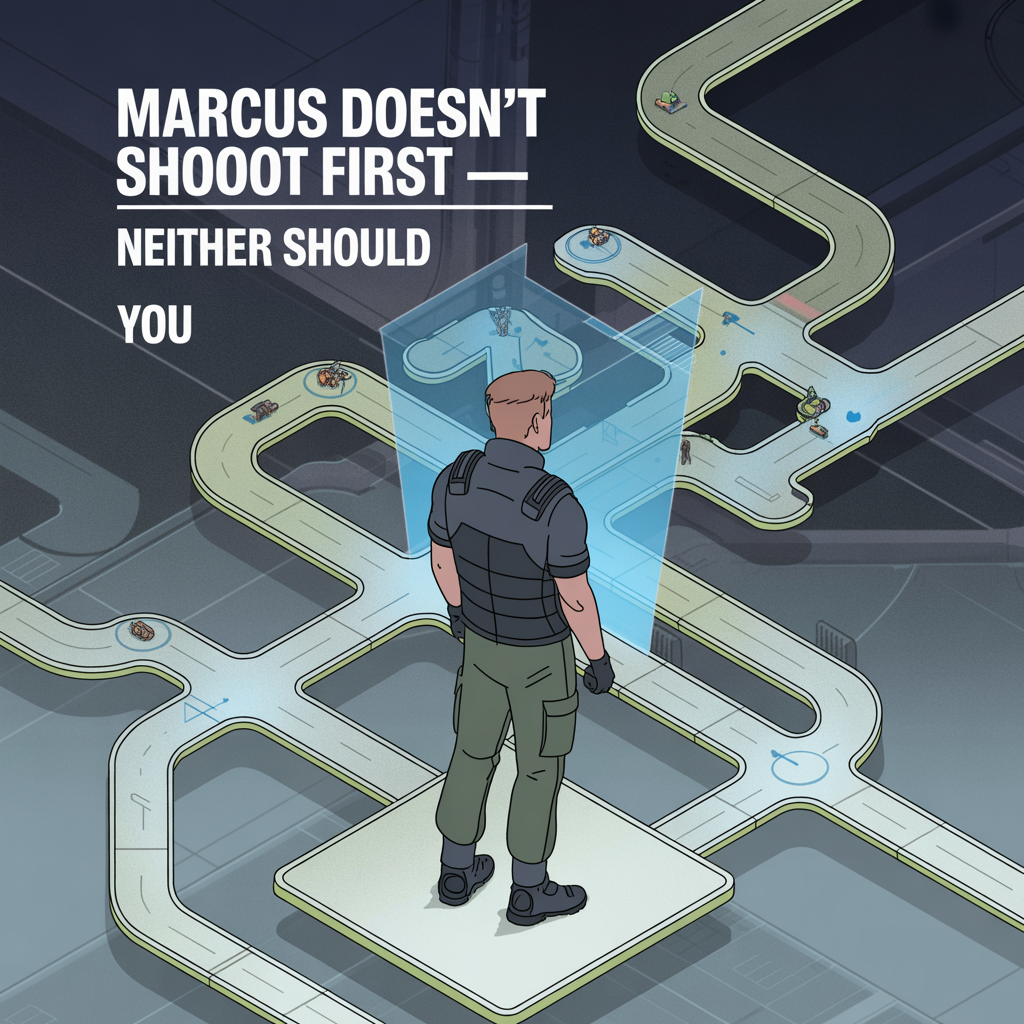
Watch Dogs 2 is not a stealth game in the way Dishonored is a stealth game. It doesn't hand you a toolbox of supernatural abilities and dare you to be creative. What it gives you instead is a hacking system with enough depth to make combat feel almost beside the point — and Marcus Holloway, its protagonist, reflects that. He's not a soldier. He's a twenty-something with a phone, a yo-yo, and a grudge against surveillance capitalism. The game keeps nudging you toward that read, and the smart move is to trust it.
New players tend to treat Watch Dogs 2 like a third-person shooter with a gimmick button. That's understandable — the gunplay is serviceable, the city is big and pretty, and the opening missions don't punish aggression hard enough to correct the habit. But somewhere around the second act, missions start handing you enemy layouts that make straight gunfighting a genuine chore. This guide is about understanding the systems before that wall appears, not after.
Read the environment before you enter it
This is the closest thing Watch Dogs 2 has to a foundational rule: never walk into a restricted area cold. Every mission location has cameras, and cameras are your advance scouts. When you're standing fifty meters from a guarded garage or a server room, open the NetHack overlay and start tracing the network. Cameras connect to guards. Guards carry phones. Phones connect to other phones. Within a few seconds of remote surveillance you can often locate every enemy in a compound, tag them, and identify which ones have access to the objective.
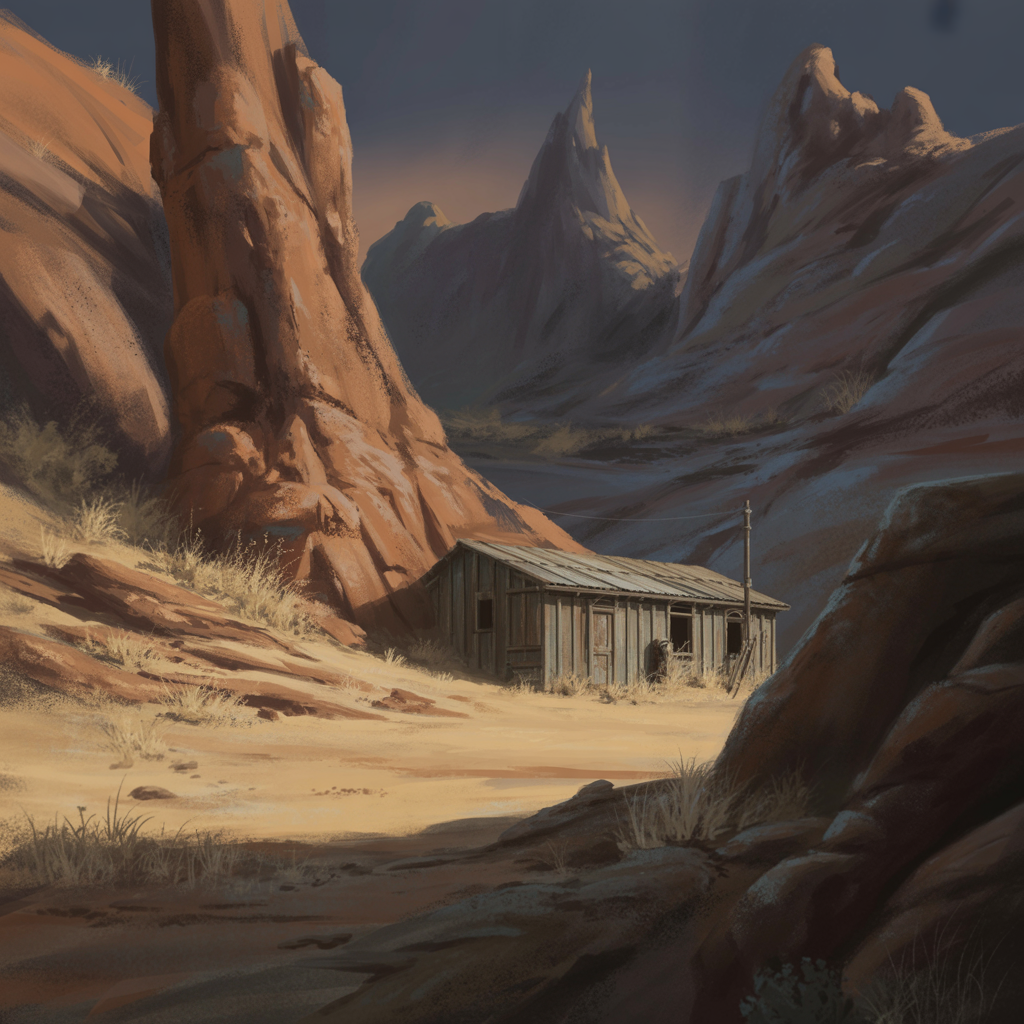 Layout overview
The tagging system is persistent — tagged enemies stay marked through walls once spotted, which means you can track movement patterns without line of sight. This matters because guard AI in Watch Dogs 2 runs on routines that are readable if you watch for thirty seconds. One guard loops a tight patrol. Another stands mostly static but turns at intervals. A third wanders wide. Knowing this before you enter means you're not reacting; you're timing. The difference between a clean run and a firefight is usually just those thirty seconds of patience.
San Francisco's dense verticality helps here more than most players use. Rooftops above mission areas often have cameras or junction boxes that give you network access without requiring physical entry. The game rarely tells you this explicitly, but if you spend time exploring the outer shell of a location before committing to an approach, you'll find angles that the ground-level path hides entirely.
The research tree is a roadmap, not a wishlist
Research points are the real currency of Watch Dogs 2, and how you spend them early shapes the kind of player you'll be for the entire mid-game. The tree splits into three disciplines — and the temptation to spread points evenly across all three is exactly the wrong instinct. Pick a lane. If you're leaning into remote hacking and non-lethal approaches, the stealth and hacking branches compound each other in ways that pure aggression investment simply doesn't match.
Two early unlocks that consistently pay off: the ability to trigger a vehicle's engine remotely (useful for clearing a guard from a fixed position without alerting anyone nearby) and the extended duration on the distract hack. That second one sounds minor. It isn't. A longer distraction window means you can move Marcus through an area while a guard is staring at their buzzing phone instead of their surroundings. Early-game players who skip this because it looks passive are the same players who complain that stealth doesn't work. It works. You're just moving too fast.
The Jumper and the Quadcopter both require research investment to unlock their better capabilities, and both are worth it — the Jumper for ground-level access through tight spaces, the Quadcopter for overhead reconnaissance and some environmental interactions. If forced to prioritize: the Quadcopter's usefulness scales faster and covers more mission types. That said, the Jumper has specific uses around late-game data extraction objectives that a Quadcopter can't replicate. Don't sleep on it entirely.
How non-lethal actually works (and when it's harder)
Watch Dogs 2 gives you a stun gun and a non-lethal melee option, and the game's karma system — such as it is — responds better to non-lethal play. But let's be honest about the tradeoff: non-lethal takedowns require you to be physically close, which means the approach phase is more demanding than a suppressed headshot would be. The stun gun has limited range and a charge time. Melee requires you to be within arm's reach of someone who, ideally, has their back to you and no friends nearby.
The solution is environmental isolation — using hacks to move a guard away from their patrol route and into a corner or a blind spot before closing the distance. The "attract" hack on a phone or device pulls a guard to investigate a specific spot; if you've identified a location out of sightlines from other enemies, you can funnel them there reliably. This is the core loop of Watch Dogs 2 stealth: not sneaking past people, but reorganizing where people are so the gaps open up.
Oakland, Marin, and why location still matters
Ubisoft's version of the Bay Area is one of the better open-world cities of the last decade — not because it's photorealistic, but because it's textured in ways that affect play. Oakland's industrial eastern stretches have different guard densities and layout logic than the cramped tech-campus missions in Marin or the waterfront areas near the Ferry Building. Players who treat the map as a neutral backdrop miss that the environment itself communicates something about how a mission wants to be approached.
Driving routes between mission areas are also worth your attention early. The game's notoriety system escalates based on how much chaos you've created — high notoriety means police and private security respond faster to any alarm you trigger during a mission. Keeping notoriety low in the early hours isn't difficult if you're not fighting, but if you've spent the open world acting out, you'll find those same free-roam habits bleeding into missions at the worst moments. The city isn't just a backdrop. It tracks your behavior.
When to abandon the plan entirely
There are missions — a handful, genuinely — where the hacking-first approach becomes genuinely awkward. Some late-game objectives place you in scenarios where the enemy count is high, the layout offers few camera angles, and the mission structure doesn't give you the preparation time that earlier content does. Watch Dogs 2 is not a pacifist simulator, and pretending otherwise sets you up for frustration. The Destroyer shotgun and the Spec Ops SMG exist, they handle well, and there's no shame in using them when a mission's design is pushing you toward confrontation.
The tell is usually enemy density. If you've scanned a compound and counted upwards of ten guards in a tight space with overlapping sightlines and no obvious camera network to exploit, that's the game signaling a different kind of engagement. Adapting to that signal — rather than insisting on a stealth run that the level geometry isn't supporting — is its own kind of tactical intelligence. Flexibility isn't failure.
One habit that separates decent players from good ones
Save your crafting components. The game lets you craft explosives, distractions, and the Jumper's shock trap in the field, and new players burn through components constantly because the crafting menu is right there and making things feels productive. It isn't always. Shock traps and IEDs cost components that become scarce mid-game if you're not restocking deliberately. The general rule: don't craft anything in the field unless the mission specifically demands it or you're already fully stocked.
Component restocking happens passively if you're looting fallen guards and opening containers during missions — but you have to actually do it, which means slowing down and checking bodies and crates rather than sprinting to the next waypoint. This is the same discipline as the thirty-second camera survey: it's time spent now to avoid a resource crunch later. Watch Dogs 2 rewards the kind of player who pauses, even briefly, to read the situation. Marcus didn't get into Blume's servers by rushing. Neither will you.
Reader Q&A
Is this guide spoiler-free?
We avoid story spoilers. Mechanics and systems are explained directly, but plot beats are not covered.
How current is this guide?
Updated for the most recent patch as of June 2026. Major balance changes are noted inline.
Do I need DLC for these strategies to work?
No. Everything covered here applies to the base game. Where DLC content is referenced, we mark it clearly.
Will following this guide work on hardest difficulty?
Mostly — yes. A few strategies become tight on hardest difficulty; we flag those where relevant.
Reader comments