Team Spectre enters Summer Game Fest 6 with patch 1.1 rewriting their entire game plan
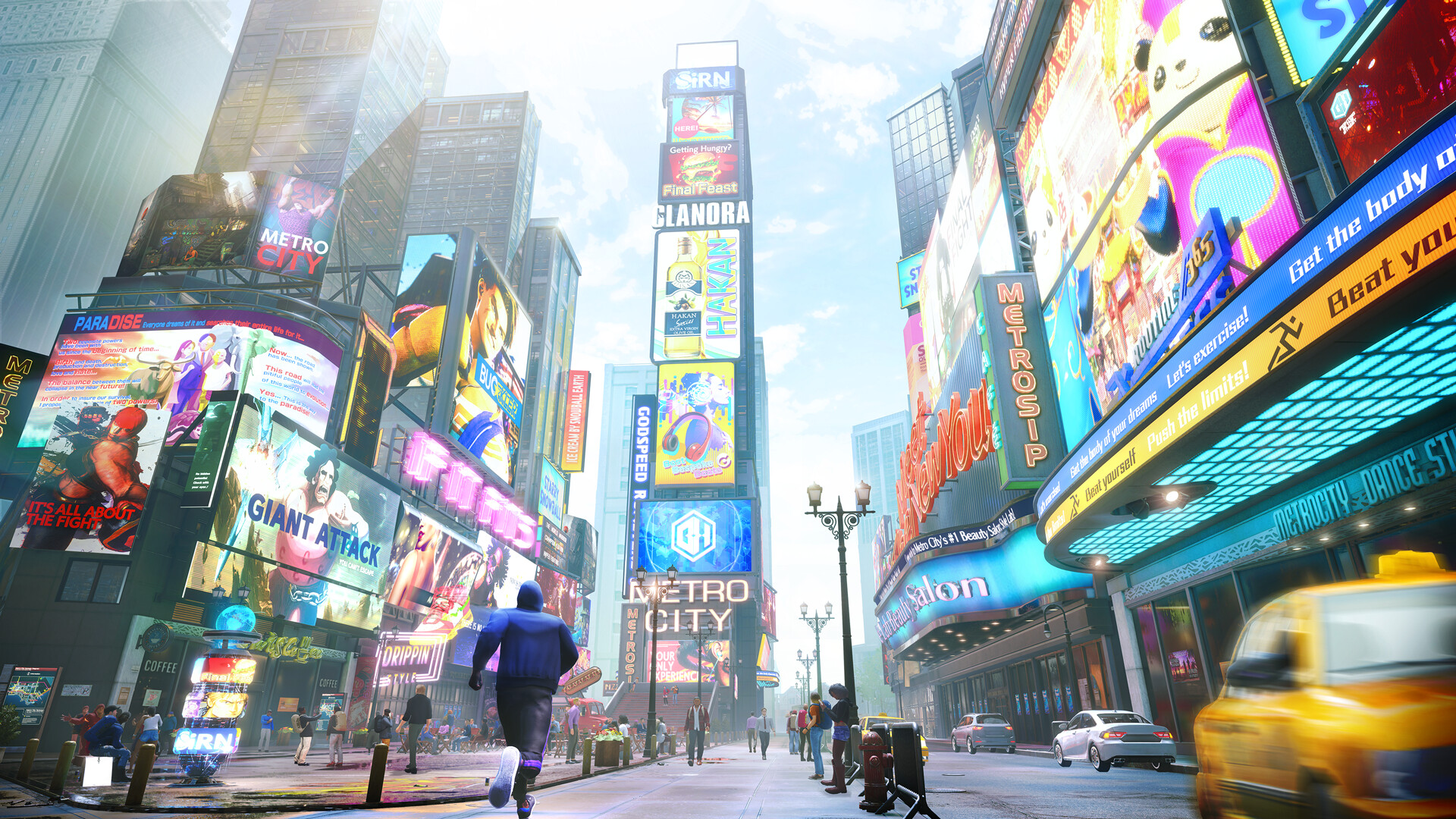
Street Fighter 6 patch 1.1 dropped quietly in the middle of the competitive calendar, but its ripple effect through the bracket scene has been anything but quiet. For Team Spectre, the patch didn't just shift frame data on a few characters — it effectively invalidated months of preparation and forced a full reconstruction of how the roster approaches Summer Game Fest 6. They had two weeks to rebuild. Based on their qualifier run, they used every hour.
Summer Game Fest 6 is not a Capcom Cup, but it carries genuine weight in the North American regional scene. Prize placement feeds into ranking points that determine seeding for later invitational events, and for a mid-tier org like Spectre, those seeding spots are the difference between playing top-eight brackets or grinding through pools for two days. The team goes in with three confirmed competitors: veteran drive-rush specialist Marcus 'Refract' Okafor, former SFL participant Yuki Sato, and the newest addition to the lineup, eighteen-year-old Cammy main Dre 'Pinnacle' Walsh.
What Patch 1.1 Actually Changed for Spectre
The headline adjustment in 1.1 was the drive rush cost increase on crouching medium kicks for a cluster of characters sitting near the top of tier discussions. For Refract, who built his entire neutral game around Dee Jay's c.MK into drive rush cancel pressure, the change wasn't fatal — but it removed the low-risk entry point he had been exploiting since the game launched. He now has to commit harder to approach, which puts more reads on him rather than on the opponent.
Sato had a cleaner landing. His Luke game is less dependent on the specific cancels that 1.1 touched, and Luke's corner carry capacity got a modest buff to his Level 2 super followup damage. Marginal changes, but Sato plays a patient, resource-accumulation style that benefits from any increase in punish reward. He's the most patch-stable member of the roster going into this event. Walsh, on the other hand, had to reconfigure Cammy's pressure routes almost entirely after her c.HP drive rush timing window was tightened — not removed, but punishing on wrong reads now where it wasn't before.
Roster Assignments and the Alternate-Character Question
Spectre's head coach, listed publicly as 'Soren V,' made the call before qualifiers to have Refract develop a secondary character rather than try to fully rebuild Dee Jay under the new patch constraints. The pick was Rashid, whose drive rush integration runs through different normals and gives Refract a viable tournament character while he continues lab work on Dee Jay off-tournament. Whether Rashid is truly ready at a Summer Game Fest level of competition is the open question. Refract has taken him to regional top-sixteen finishes, not top-eight.
Walsh is staying on Cammy regardless. That's partly stubbornness, partly genuine belief that the character remains strong and that the difficulty increase in her pressure routes is an obstacle her opponents will also struggle to anticipate during adaptation windows. She's not wrong that Cammy's damage output is still elite. She may be slightly wrong about how quickly high-level players will clock the new timing and start sitting on reversals. That's the specific risk Spectre is making with their youngest player in the deepest pool.
Map Pool and Stage Selection Considerations
Street Fighter 6 doesn't have a traditional competitive map pool the way a tactical shooter does, but stage selection matters more than casual viewers often register. Certain stages carry minor audio and visual distinction that affects player focus, and at the elite level, comfort picks and psychological disruption are real tools. Spectre has publicly registered Metro City Bay Area and Dhalsimville as preferred stages for Walsh, both of which suit her preferred visual clarity during offense reads.
Refract historically bans Barmaley Steelworks in high-stakes sets — the lighting conditions in that stage have given him issues with tracking crossup timings, which he's acknowledged in post-match commentary from earlier this year. Small thing. Still a thing. Sato has no documented stage preference and treats the choice as an opportunity to remove opponent comfort rather than establish his own. That's a colder read on the metagame and it suits his style.
Bracket Position and Path to Top Eight
Spectre drew a workable pool. Their most dangerous early-bracket opponent is SOLIS Esports' Zangief specialist Tomasz 'Gravure' Kwiecinski, who has been posting strong results since switching from Street Fighter V and whose slow, deliberate SPD-threat playstyle is a historically bad stylistic matchup for drive-rush-heavy teams. Refract versus Kwiecinski in round two of pools would be the kind of set that gets clipped and discussed for weeks regardless of outcome.
If Spectre clears pools, the double-elimination bracket puts them on a potential collision course with Nexus Gaming's duo in the top-sixteen, both of whom run characters that got buffed in 1.1. The team knows this. Soren V spent the final qualifier week drilling Sato on the Manon matchup specifically, which Nexus's Alicia 'Ferro' Reinholt has been running at a very high execution standard. That's the wall Spectre would need to break through to reach a genuine top-eight result.
What a Strong Run Would Actually Prove
There is a tier of mid-size esports organizations in fighting games that exist in permanent qualifying mode — competitive enough to show up, not resourced enough to stay. Spectre has been in that bracket for two years. A top-eight finish at Summer Game Fest 6 with a patched-out main and a teenager on an adjusted character wouldn't just be a good result. It would demonstrate genuine coaching depth and roster adaptability, which are the things that attract sponsor interest and retain player development pipelines.
The patch hurt them. The roster rebuild was rushed. Walsh is operating at the edge of her current execution ceiling, and Refract on Rashid is still partly theoretical. None of that is fatal. What Spectre has going for them is that the entire field is adapting to 1.1 simultaneously, and teams that finished that adaptation faster going in have a real edge in the first two days. Whether Spectre is actually that team, or just believes it is, gets answered starting Thursday.
Summer Game Fest 6 starts June 12th. Spectre's pool play begins in the afternoon session on day one. Keep an eye on Walsh's set win rate in pools — it will tell you more about this team's ceiling than anything Refract does.
Reader Q&A
How are tournament results verified?
We pull directly from the publisher's official broadcast feeds and tournament databases (HLTV, Liquipedia for community-tracked data).
Will brackets and seedings be updated as the event progresses?
Yes — major events get live coverage; bracket updates land within hours of each match.
How do you handle roster changes mid-season?
Roster updates are confirmed via team announcements before being reflected here. We avoid unconfirmed rumors.
Reader comments