Nova9 built their Strive game around 3.4 — TGS is the test
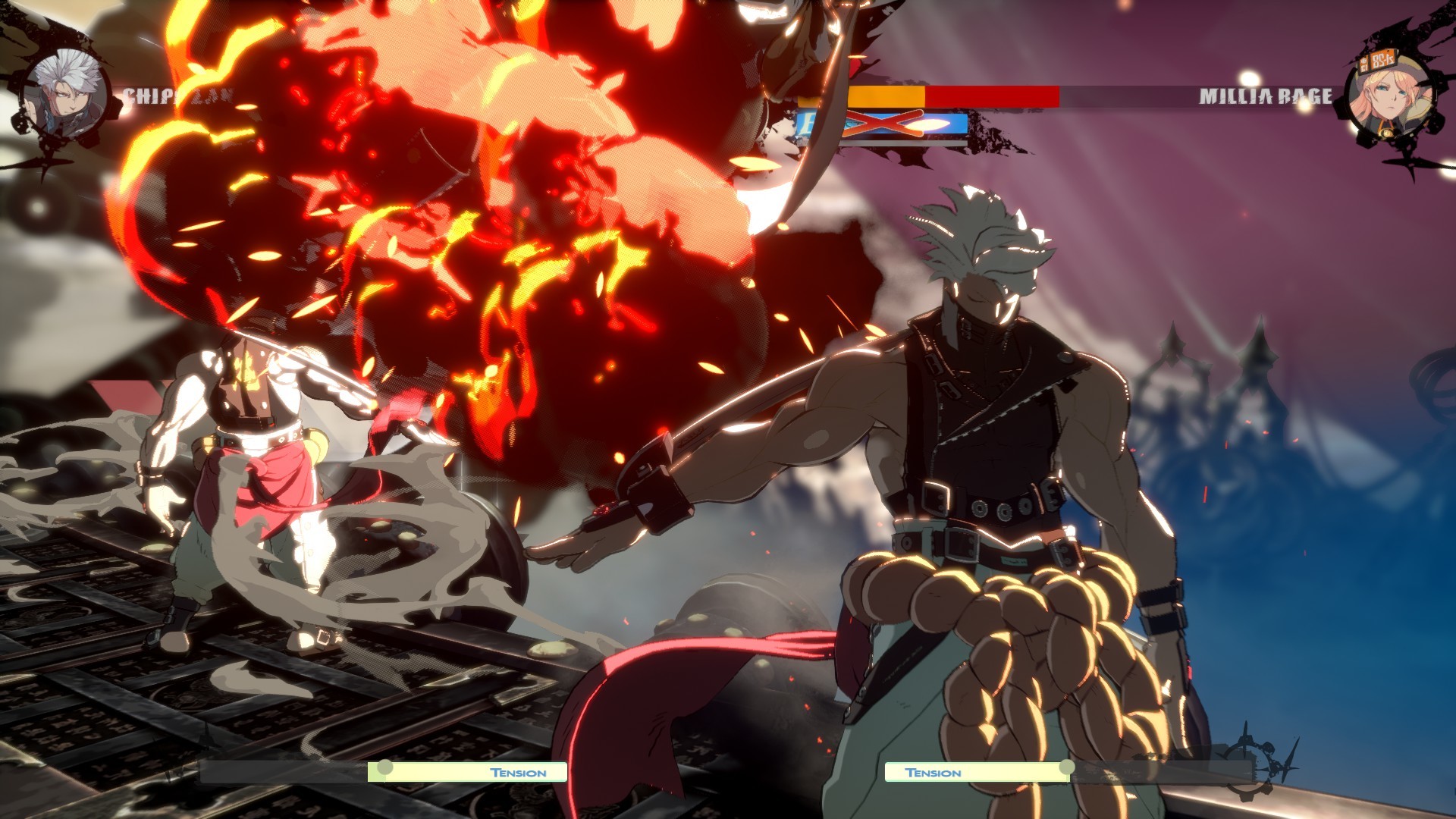
Nova9 Esports has never been a team that does things quietly. When they rebuilt their Guilty Gear Strive lineup around version 3.4's patch notes — specifically the buffs to Bedman? and the tightening of Giovanna's corner carry — they made no secret of what they were doing. Internal footage leaked. Their head coach Daisuke Harano talked about it in a podcast interview. For a squad that spent most of the 3.2 era being described as "promising but inconsistent", the commitment to a version-specific identity was either a smart calculated move or a very public way to set expectations.
Tokyo Game Show's Strive bracket is the first major international test of whether that identity holds up under pressure. The field is serious — Machabo is attending, and at least two Arc System Works-partnered squads from Korea have confirmed. Nova9 enters with a redesigned map pool policy, a roster that has seen two substitutions since April, and a piece of strategy built almost entirely on conditioning opponents to respect Bedman?'s neutral game before pivoting to pressure sequences that the 3.4 patch made more consistent. It's a real plan. Whether it's a winning plan is another question.
The Patch They Decided to Trust
Version 3.4 landed in late spring and the community's reaction was split almost immediately. Giovanna mains were cautiously optimistic. Ky players felt the small reductions to his Stun Edge pressure weren't fatal but were annoying in ways that compound over sets. Bedman?, though — the adjustments there were significant. Recovery frame reductions on two of his key neutral tools made his threat range feel genuinely different to play against, and Nova9 identified that window quickly.
What they built around it is a team-level strategy, not just a character pick. Their player Renato "RenV" Vega has been running Bedman? since the character's reintroduction, but the 3.4 build specifically leans into a conditioning loop — force the opponent to respect a threat that's now safer to deploy, then use that respect to enable Giovanna's aggression from their second player, a Korean import who goes by Hwajin. The two characters complement each other in ways the patch made more reliable. Watching their scrimmage footage, you can see the shape of it. Whether it breaks against top-level reads is the actual question TGS will answer.
Roster Notes — Two New Faces, One Familiar Problem
The April roster changes brought in Hwajin and a secondary player, Fernanda "Fern_X" Cruz, who plays Baiken. Cruz was previously on a South American regional squad and has strong individual results but limited experience in international bracket formats — she's never competed at a TGS-scale event. That's worth flagging not as a slight against her, but as an honest gap in the data. High-level Strive has a specific kind of crowd noise and scheduling density that regional events don't replicate.
The piece that concerns me more is that Nova9 still doesn't have a reliable Nago answer. The character has been a structural problem for them going back to 3.1, and while Bedman?'s improved neutral creates new angles, it doesn't cleanly resolve the matchup deficit. If they hit a Nago main in top eight — and statistically they probably will, given how the character is represented in TGS's confirmed field — they'll need something they haven't shown publicly yet.
How the Bracket Sets Up
The TGS bracket was seeded based on a combination of regional ranking points and Arc System Works' own circuit data. Nova9 sits in the upper half with a projected path that avoids Machabo until at least semifinals — which is either fortunate or simply delaying an inevitable meeting. Their pool contains three other squads: one Japanese regional finalist, one EU qualifier, and a wildcard team from Southeast Asia whose recent results have been inconsistent but who have a standout Sol Badguy player who's been described by multiple commentators as TGS's dark-horse individual.
On the map pool side — and "map pool" in Strive's team format refers to character-order selection rules specific to this event's ruleset — Nova9 has publicly registered Bedman?, Giovanna, and Baiken as their core three. That's a coherent spread that covers neutral, aggression, and punish-based defensive play. The gaps become visible when you look at character variety in the field: several top-seeded squads are registering five or six characters, giving them flexibility to counter-pick in ways Nova9 simply can't.
The Counter-Pick Problem, Specifically
Running three characters at a major is not inherently a losing choice. Laufen Esports won a European circuit leg earlier this year with a tight three-character roster by being disciplined about when to switch and never letting opponents extract information about the decision logic. The difference is that Laufen's three characters had almost no shared structural weaknesses. Nova9's three-character lineup has one: all three struggle in some degree against high-damage, low-commitment burst tools — which Nago, Testament, and Asuka all offer in different flavors.
The team knows this. Harano acknowledged in a post on the official Nova9 social channel that they've been "specifically drilling the Asuka matchup" in the weeks before TGS. That's transparent and probably necessary. Whether drilling a matchup over a few weeks is enough to close a gap that's been visible for multiple patches is a different kind of question.
What a Strong Run Actually Looks Like
If Nova9's 3.4 theory is correct — if the conditioning loop works, if RenV and Hwajin execute the Bedman?/Giovanna sequencing under bracket pressure, if Cruz holds her own on Baiken in early rounds — then top four is genuinely within range. The bracket structure gives them two realistic paths out of pools without hitting a seeded top-eight squad. They'd need to beat the Southeast Asia wildcard cleanly and take a win off the EU qualifier, which, based on head-to-head data from EU regional results, is not a stretch.
Top two, though — that requires a direct confrontation with either Machabo's squad or one of the Korean teams, both of whom have deeper character pools and more international bracket experience. That's not pessimism, just pattern recognition.
TGS as a Credibility Moment
There's a version of this event where Nova9 performs exactly as designed and still doesn't fully convince the competitive community, because early-pool performance against mid-tier squads will get contextualized against how they fare when the pressure actually increases. Fighting game esports has a specific skepticism about teams who build around a recent patch: it reads, sometimes fairly, as chasing a window rather than developing depth. Larian's approach to early-access feedback — iterating constantly without declaring a version finished until it genuinely is — gets brought up sometimes as a model for how to build something durable. The comparison isn't perfect, but there's something in it about the difference between exploiting a moment and actually solving a structural problem.
Nova9 has built something specific and visible around 3.4. TGS will tell us whether specific and visible translates to durable and effective — or whether the next patch quietly dismantles the theory they've staked a tournament on.
Reader Q&A
How are tournament results verified?
We pull directly from the publisher's official broadcast feeds and tournament databases (HLTV, Liquipedia for community-tracked data).
Will brackets and seedings be updated as the event progresses?
Yes — major events get live coverage; bracket updates land within hours of each match.
How do you handle roster changes mid-season?
Roster updates are confirmed via team announcements before being reflected here. We avoid unconfirmed rumors.
Reader comments