Vector Esports bet everything on patch 4.3 Strive — TGS 2026 will settle it
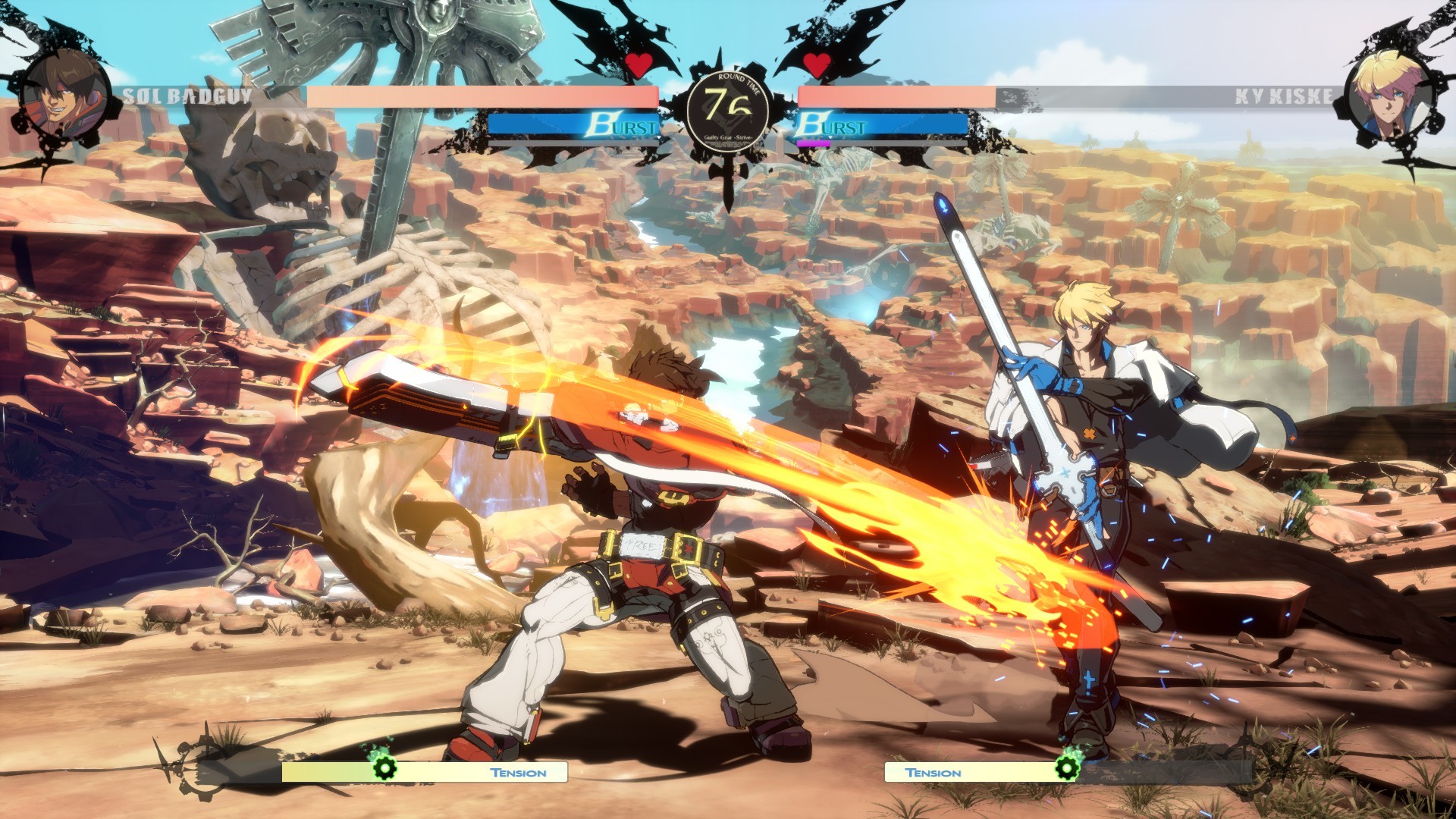
Patch 4.3 for Guilty Gear Strive dropped three weeks before TGS 2026 registration closed, which gave teams almost no time to recalibrate before locking in their competitive plans. For most organizations, that window was uncomfortable. For Vector Esports, it was something closer to a calculated exposure — they had seen early patch notes through community leaks, made roster and strategy decisions based on what they expected to change, and then committed. If Arc System Works had revised the build before final release, Vector's entire approach to the Tokyo Game Show bracket would have come apart.
It didn't come apart. Patch 4.3 shipped roughly as leaked. But the question hanging over Vector right now isn't whether they read the patch correctly — it's whether reading a patch correctly is enough to win a stacked international field in front of one of the most technically literate Strive audiences on the calendar.
What 4.3 Actually Changed
The headline number from the patch is Sol Badguy's Volcanic Viper losing two frames of invincibility on startup. That sounds minor until you watch how the top-level neutral has reorganized around it. Sol players at the Tokaigi qualifier in August — particularly Daisuke 'Daigo_GG' Mori, unrelated to the Street Fighter player — were visibly adjusting their reversal timing mid-set. The window where Volcanic Viper could blow through pressure cleanly has narrowed enough that several Sol mains at high bracket are either adapting or reconsidering.
The other significant change was a buff to Bedman?'s hitbox on Temporize — specifically the corner carry on the second loop, which now connects more consistently against crouching opponents above a certain height threshold. It's the kind of specific, hitbox-level adjustment that only matters at high play, but it matters a lot there. Bedman? went from a character with conditional corner threat to one with reliable conversion routes in the same situations where she was previously having to make harder reads.
Ky Kiske saw minor damage scaling adjustments that trimmed some of his mid-screen combo output. Nothing that moves him off a strong tier position, but noticeable in long sets — the margin on certain confirms is smaller now, which forces more deliberate resource management in close games.
Vector's Structural Bet
Vector Esports fields three players at TGS: Kofi 'KFX' Asante on Bedman?, Lena 'Spiro' Voss on Testament, and their team lead, Rémi Jourdain, on Ky. That composition looks almost deliberately constructed around 4.3's specific changes. Asante's Bedman? game was already exceptional — he placed second at EVO Japan 2026's Strive bracket — but the Temporize buff directly strengthens the corner pressure sequences he runs more than almost anyone in the current field.
Jourdain on Ky is the part worth examining skeptically. Post-patch Ky rewards patient, methodical play more than burst damage, and Jourdain's historical style leaned toward aggressive mid-screen conversion. Either he has adapted his neutral game significantly since the April invitationals, or Vector is accepting a slight structural mismatch on their anchor player in exchange for what Asante and Voss can do. That's not an obviously wrong call — team-based Strive competition weights performance across the full bracket, not just any single player's output — but it's a real tradeoff.
The Competition Isn't Standing Still
The teams Vector is most likely to encounter deep in the TGS bracket are Absolute Order from South Korea and the newly reformed Seventh Sun roster from Japan. Absolute Order's mid-game is built around Chipp Zanuff and the speed-based pressure that 4.3 largely left untouched — they don't have much direct patch exposure either way, which makes them dangerous in a field where several teams are still adapting.
Seventh Sun is the more interesting story. They rebuilt after a difficult spring — their previous anchor player retired in March — and brought in Haruki Senda, a Zato-1 specialist who finished top eight at the Strive World Challenge in Seoul. Zato-1 plays with a risk-reward structure that punishes teams who make reads based on stale conditioning, and Senda is particularly good at varying his Eddie timing to disrupt opponents who think they've scouted his patterns. Vector has reviewed his Seoul footage. Whether that preparation holds up under live pressure is a different question entirely.
What the Strive Community Is Watching
TGS brackets for Strive have historically been where the international and Japanese competitive scenes genuinely stress-test each other — not just in terms of skill, but in terms of meta-reading. Japanese players tend to develop adaptation cycles faster when the game is in active patch flux, partly because local offline play is denser and partly because Arc System Works is present enough in that scene that reads on future patches circulate differently.
That context matters for Vector, who are a European-based team. Their 4.3 prep happened largely through online practice and VOD review, not through the kind of high-frequency offline grind that shapes the Tokyo-regional players they'll face. The patch read may be correct. The execution gap, if there is one, will show in frame-tight situations — specifically in how quickly players can adapt when their prepared routes stop working mid-set.
The Specific Pressure of Going All-In
What makes Vector's position genuinely interesting — rather than just competitively risky — is that they made their bet transparently. Jourdain said in a pre-TGS team statement that they identified 4.3 as a 'rebalancing moment' and structured their entire summer around capitalizing on the specific characters the patch elevated. That kind of public commitment either looks prescient or exposed depending entirely on what happens in Tokyo.
Teams that over-commit to a patch read and miss tend to fall apart in unexpected bracket positions — not the marquee losses, but the mid-bracket matches where adaptation is required and the playbook has run out. Vector has Asante, who is good enough to win those matches on individual skill even when the strategy isn't clicking. That's their real insurance policy.
TGS 2026 runs October 3rd through 5th. The Strive open bracket feeds into the main stage on the final day. Vector either walk out of Tokyo with a result that validates an unusual season-long approach — or they become the case study cited every time someone argues that reading the meta and winning on the meta are two completely different skills.
Reader Q&A
How are tournament results verified?
We pull directly from the publisher's official broadcast feeds and tournament databases (HLTV, Liquipedia for community-tracked data).
Will brackets and seedings be updated as the event progresses?
Yes — major events get live coverage; bracket updates land within hours of each match.
How do you handle roster changes mid-season?
Roster updates are confirmed via team announcements before being reflected here. We avoid unconfirmed rumors.
Reader comments